| |
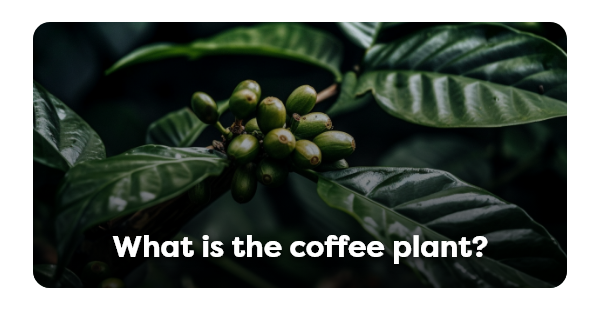
| Just as every living being has an underlying framework that defines its essence, coffee plants share a similar blueprint beneath their surface. But have you ever wondered how this plant finds its way into our cups? To truly fathom coffee in its entirety, let's dig deep and uncover the core aspects that shape this beloved beverage! | | |
| |
| |
| The two main types of coffee beans that can be produced are Arabica and Robusta beans. One is more bitter and stronger (Robusta), whereas the other is sweeter with a smoother flavor (Arabica). | | |
| |
| In order for the plant to grow to its full potential (life of 30 - 40 years), they require warm tropical climates and rich soil. | | |
| |
| By metric ton, Brazil holds the title for the leading production of coffee worldwide, as it is a very warm climate, also known as the perfect weather to grow coffee plants. Second place goes to Vietnam, followed by Columbia and Indonesia. | | |
| |
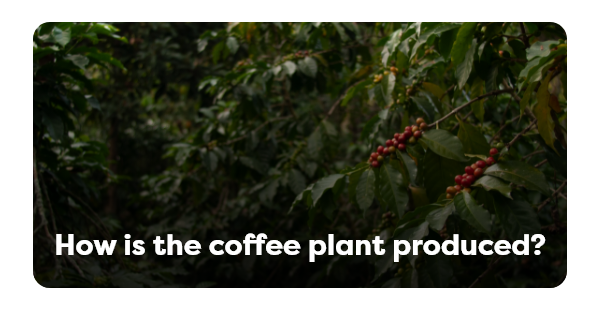
| Once the cherries are dried they produce a green coffee bean. Those beans are then measured for quality type and sorted accordingly. The beans are then packaged into bags and distributed around the world to be sold by vendors. | | |
| |
Explore Our Selection of the Best Selling Instant Coffee: | | |
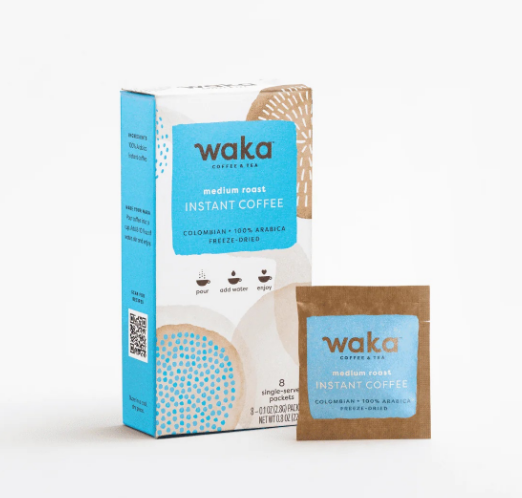
Medium Roast Single-Serve Premium Instant Coffee 8 ct Box | $9.99 | | Add to Cart | | |
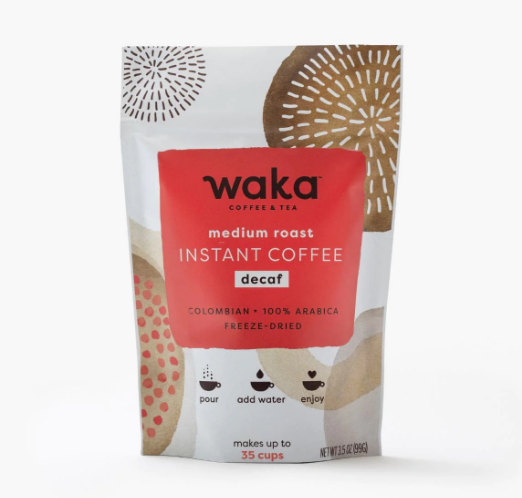
Medium Roast Colombian Decaffeinated Instant Coffee 3.5 oz Bag | $25.99 | | Add to Cart | | |
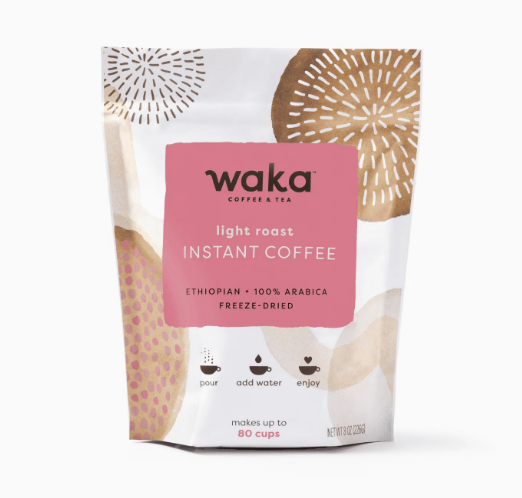
Light Roast Premium Instant Coffee 8 oz Bulk Bag | $29.99 | | Add to Cart | | |
| |
| Kopi Jahe, also known as ginger coffee, is one of the most popular beverages in Indonesia. Learn how to make it using Waka Instant Coffee! | | | |
| |
No comments:
Post a Comment
Note: Only a member of this blog may post a comment.